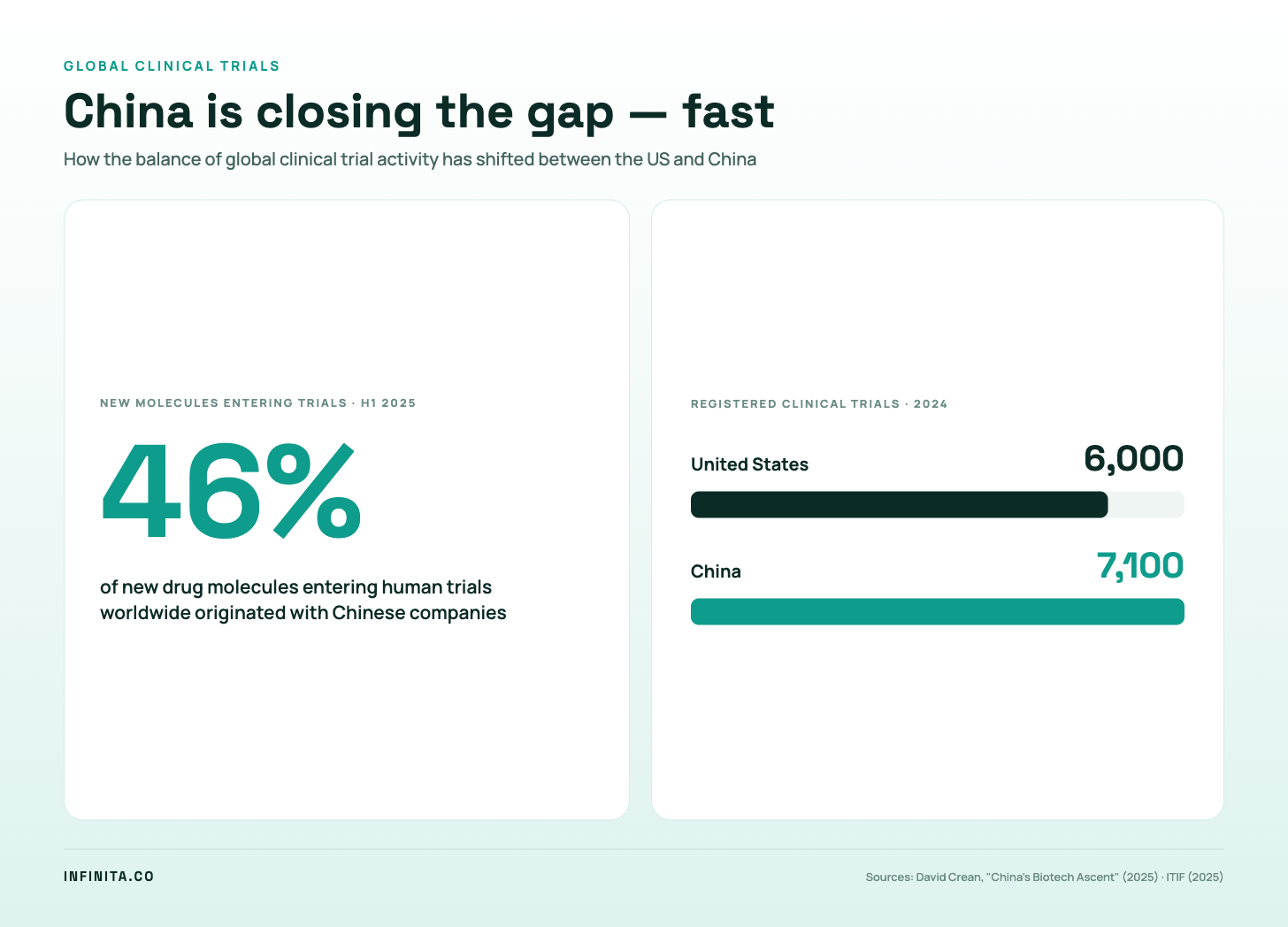


In 2021, China surpassed the US in global share of Phase 1 clinical trials, according to the FDA’s own numbers. By 2024, China was running 7,100 clinical trials to the US’s 6,000
The FDA is aware of the gap, which is why it just proposed a pilot program meant to speed up how fast new drugs can start human testing.
The role model for the proposal is Australia. Australia has been running the Clinical Trial Notification (CTN) scheme since 1991. Instead of waiting for regulatory approval before a trial can begin, sponsors simply notify the regulator of their intent, and an independent ethics board reviews the study design. The regulator only steps in when something looks wrong, which rarely happens. Twenty-five years later, the model has held up well. New Zealand, Singapore, and parts of the EU have adopted similar versions.
What does the FDA implementation look like? First of all, it’s not adopting Australia’s best practice. It starts with a “pilot” of 8-10 companies. That’s not enough urgency.
Second, it introduces “QRIs,” outside institutions that would help review submissions alongside the FDA. But the goal for them is not to become like Australia’s ethics boards, trusted reviewers, but FDA highlights that FDA still has to review everything itself. Fine, the regulator retains that authority too in Australia - but the point is that the approval by the ethics board leads to acceptance. That should be the outcome FDA cares about, to review less.
By making QRIs explicitly “advisory only”, it obfuscates the goal and the mechanism that makes Australia successful. The more direct path is to adopt the notification system outright, let QRIs earn trust through published track records instead of credentials. Currently, QRIs are basically the same old “expensive consultants”.
It seems that one more time, the FDA does not understand what is really causing the problem: the agency is inefficient at serving smaller biotechs over big pharma. It takes months to get a meeting with the FDA. A big company can wait for that, a smaller biotech runs out of runway.
Will the pilot even test for that, or will the QRIs and sponsors be again the better-funded, established ones that don’t have that problem to begin with? We’ll see.
It is laudable that the FDA tackles the right issues. But more urgency is needed. A program built to compete with China does not need another multi-year pilot to test a 25-year-old proven model.
Read full comment to the FDA →