


After years of uncertainty and direct political pressure, the ZEDE framework survived the most hostile administration it has faced, and is now entering a new phase of growth and momentum!
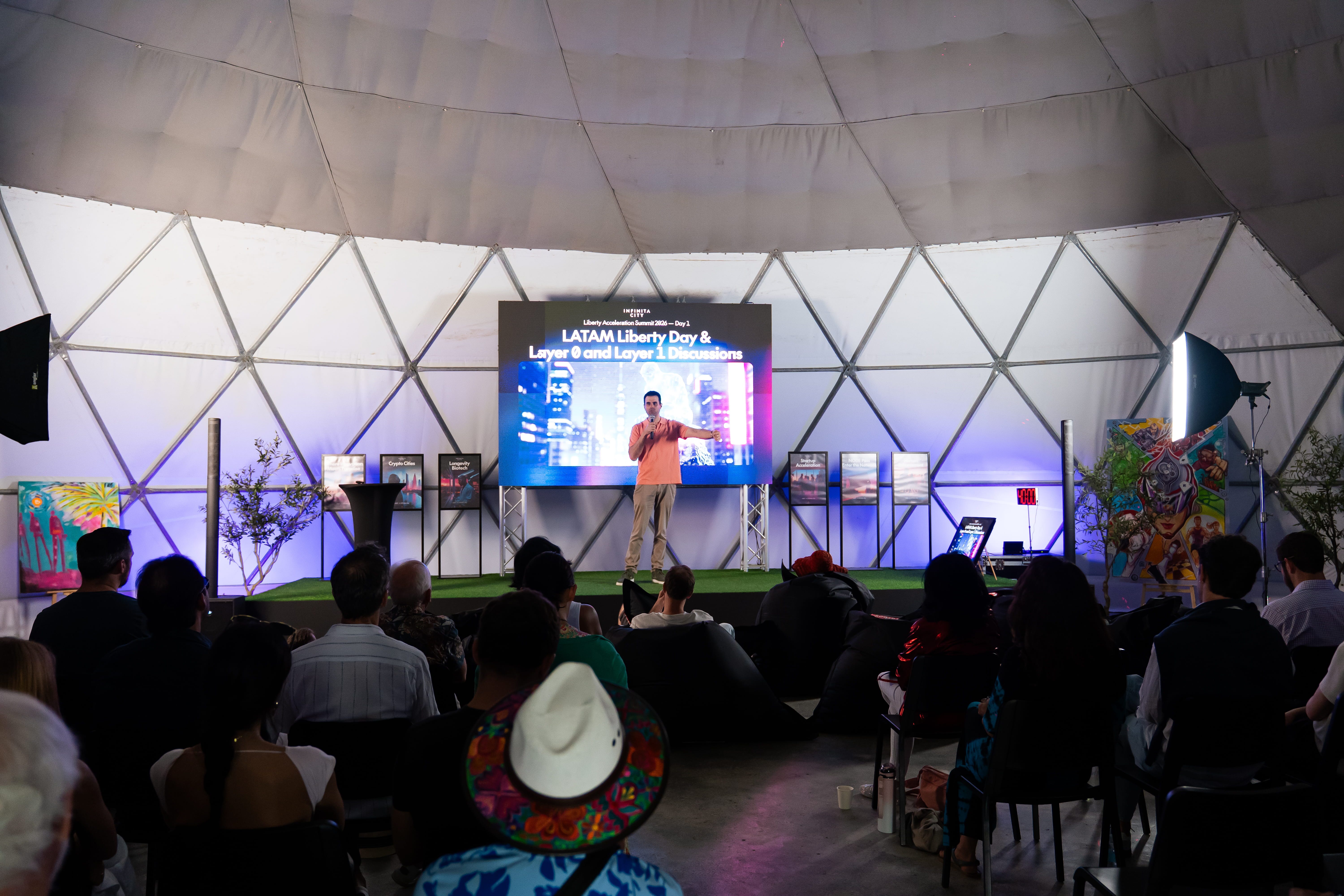
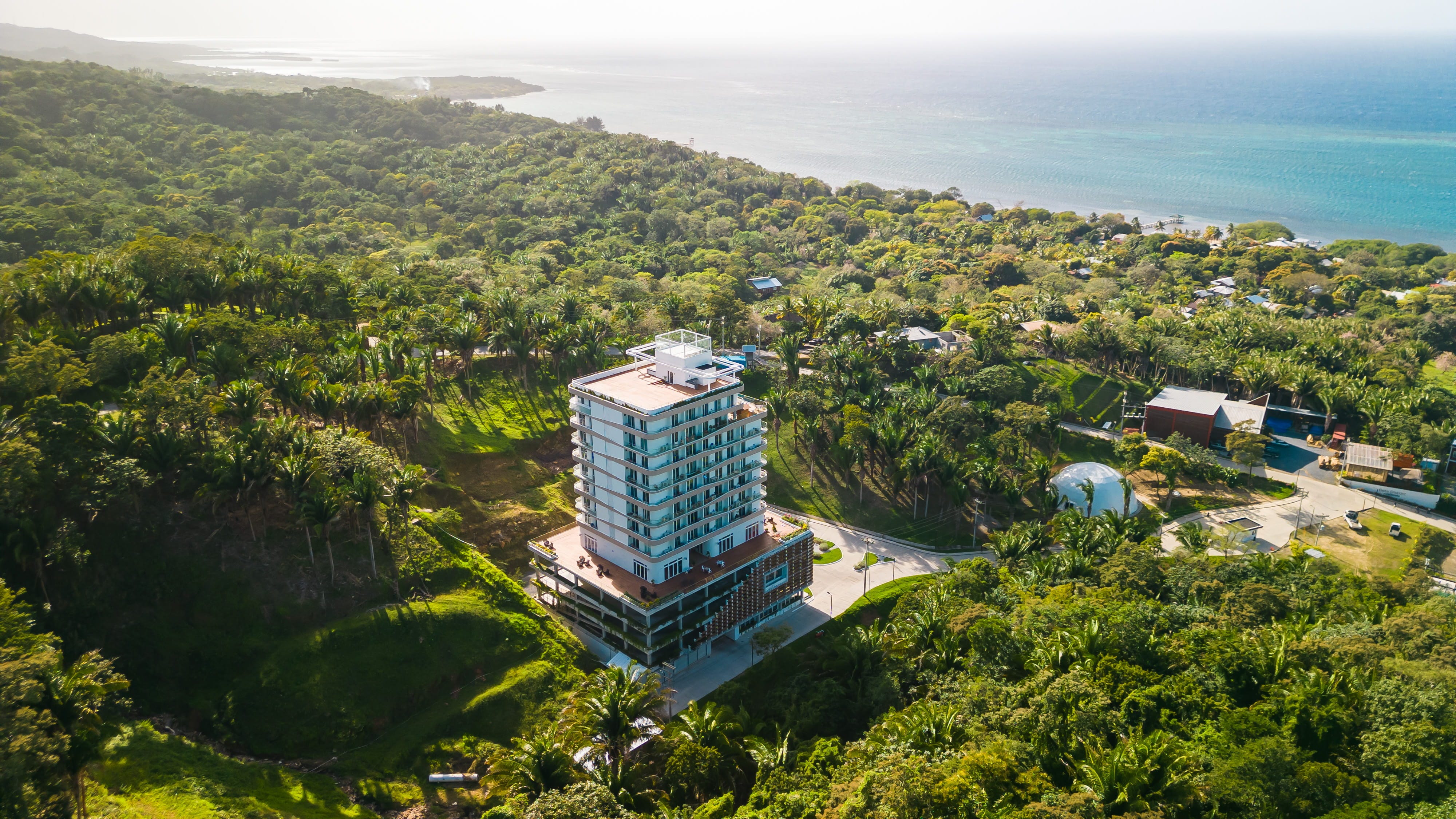
This is the second time in Próspera’s history that all venues have been fully booked out, even including the additional capacity with the hostel and Duna Tower.
The lib/acc Summit (March 25–28, 2026) came exactly at the right time. And its influence will continue and grow.
The future is bright.
A System That Was Supposed To Fail, But Didn’t
In April 2022, Reason Magazine ran the headline: “Honduras Ends Its Charter City Experiment.”
Four years later, the government that ran on shutting down ZEDEs has been voted out decisively. Meanwhile, Próspera, Ciudad Morazán, and Orchidea are still here (Ciudad Morazán and Orchidea are the two other special economic zones in Honduras).
Not only that, they’ve continued growing. Próspera now has 500+ businesses incorporated. Morazán has 300+ physical residents. The framework withstood a hostile administration that tried to undo it.
This was intentional. The Honduran “framers” knew a government like this would come at some point, and they built the legal structure accordingly with strong legal protections. What we’re seeing now is that design being tested, and holding.
The key visionary behind this framework attended the summit, visiting Próspera for the first time ever. He keeps a low profile and prefers not to be named. It was an emotional moment for me, to see him joyous at the success of Próspera, and especially at the BioHub Startups Demo Day, was genuinely meaningful.
Honduras Is Quietly Becoming Something Much Bigger
Honduras holds a very particular position in the liberty movement in Latin America. It’s still undernoticed, but if you zoom out a few decades, it may end up being one of the most important developments.
Currently, most of the attention is going to figures like Javier Milei in Argentina or Nayib Bukele in El Salvador. Those are important and significant shifts, but they are operating at what you could call the “Layer-0” level, political change that enables new directions.
What’s happening in Honduras goes one layer deeper.
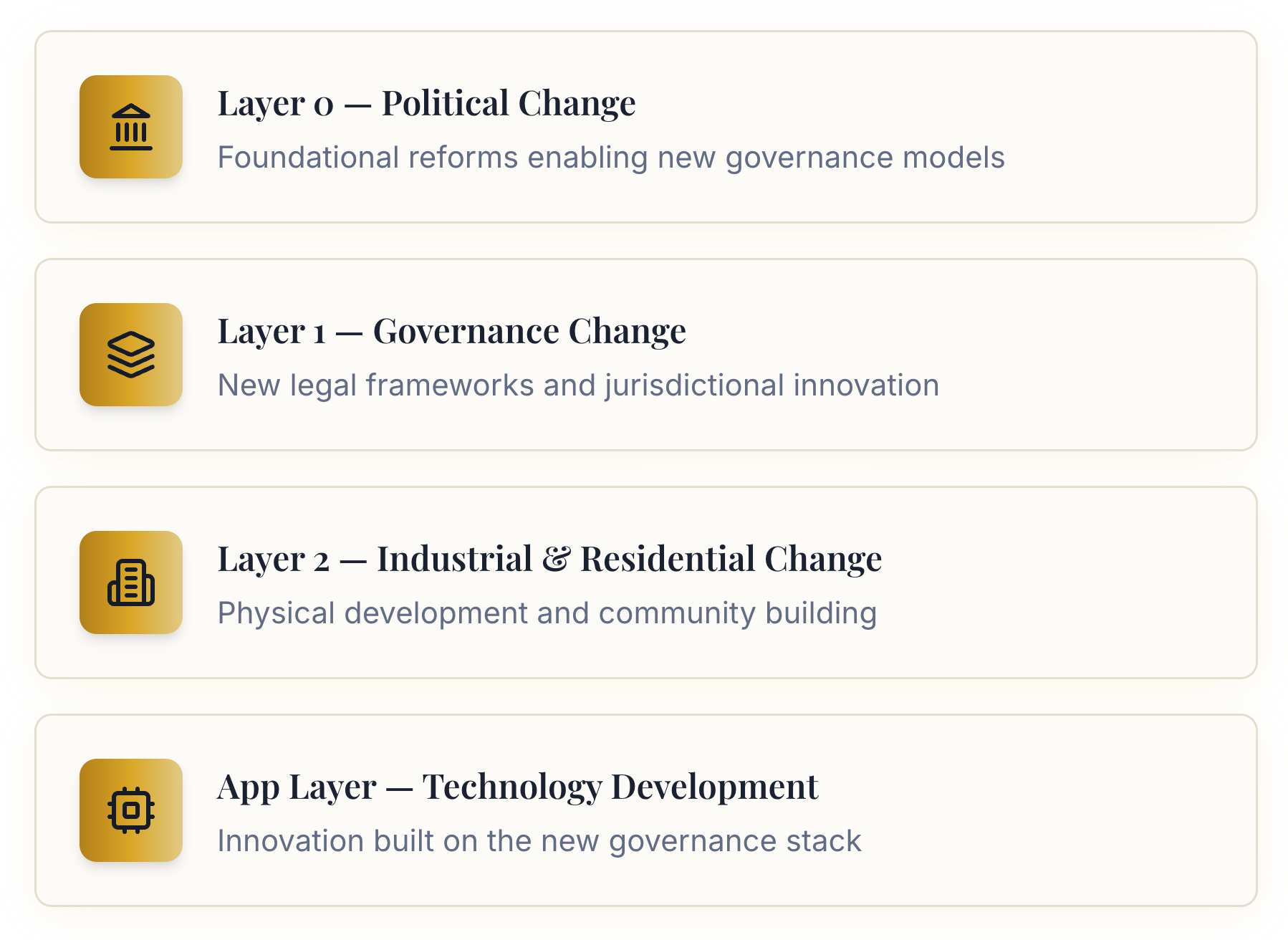
The core idea is enabling “Layer-1” change: governance decentralization through special jurisdictions with legal autonomy. This is what makes charter cities possible, and what creates the base layer for what many refer to as network societies.
The “layer” framing comes from an analogy with crypto infrastructure, where different layers build on top of each other to enable more specific use cases.
Layer-1 is the city itself, a physical jurisdiction with its own legal and operational structure.
Layer-2 builds on top of that. These are districts, communities, and ecosystems focused on specific domains, whether that’s biotech, Bitcoin, nomads, or wellness.
And the actual endpoint of all of this is the application layer, the businesses.
These are companies that take advantage of the governance environment created by Layer-1. This can be biotech companies, financial services, or even traditional businesses operating with lower friction, better rule of law, and faster execution.
The People In The Room Reflected The Full Stack Of Layers
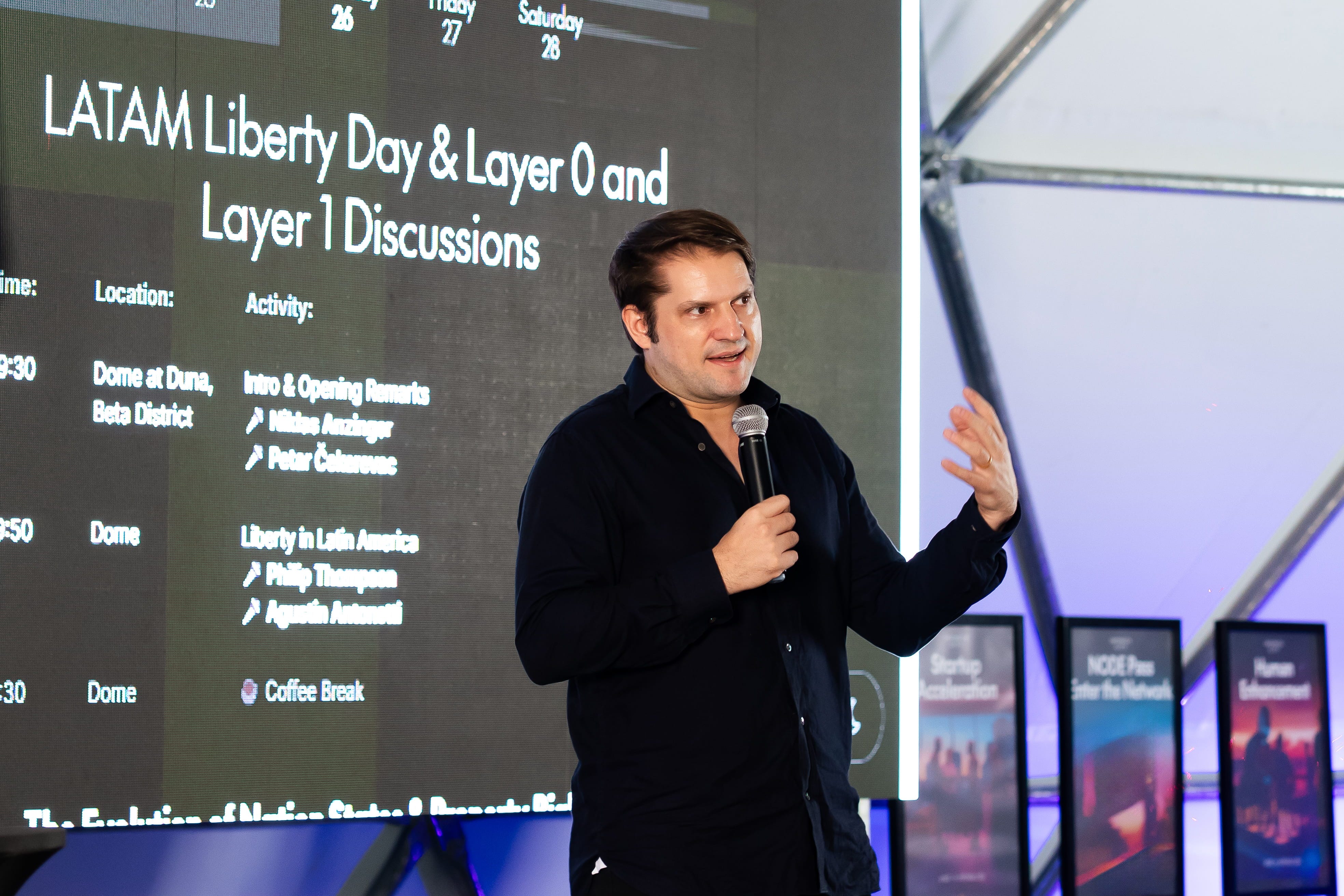
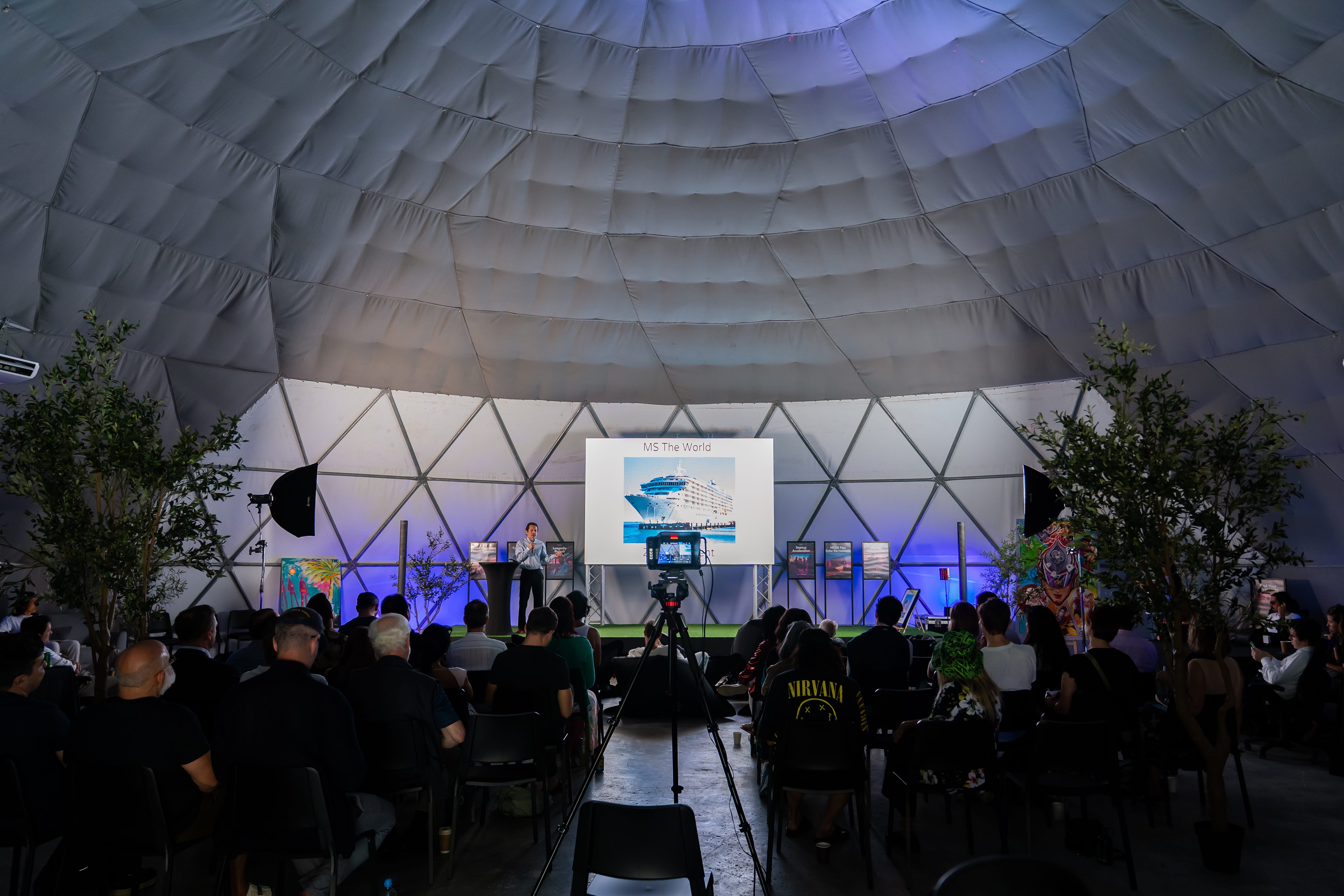
The summit was structured around this idea, and the speakers reflected it across all layers.
Layer-0: Political And Ideological Foundations
At the Layer-0 level, voices shaping political and ideological direction: Agustin Antonetti (a major Argentinian influencer close to the Milei government), Philipp Thompson (who has worked with Peruvian president Hernando de Soto, author of “The Mystery of Capital”), Patri Friedman (focused on governance experimentation and new jurisdiction models), Mark Frazier (on partnership models between governments and new systems), and Tomas Pueyo (with a talk on geopolitical shifts driven by technology).
There was also a broader alliance of similar efforts globally at the Layer-0 level. Projects from Brazil (FloripaDEZ, represented by Paloma Lecheta), Tanzania/Zanzibar (OurWorld, Florian Fournier), Indian Nations in the US (Joseph McKinney), Tipolis (Alex Voss), Liberland (Petr Krovina), Sealand (James & Liam Bates), and Hugo Mathewcowitsch (Tools for the Commons, supporting multiple Layer-1 systems).
Layer-1: Jurisdictions And Governance Infrastructure
At Layer-1, the people building and operating jurisdictions: Próspera, represented by Erick A. Brimen, Gabriel Delgado, Trey Goff, Lonis Hamaili, and Christian Betancourt, alongside Ciudad Morazán represented by Joyce Brand (author of “Morazan Rising”).
Layer-2: Ecosystems Built On Top
At Layer-2, operators building real ecosystems on top of these jurisdictions: Infinita (Niklas Anzinger, biotech), Bitcoin District (Tomek Kolodziejczuk), Noma Collective (Daniel Thompson), Roatan Tourism Bureau (Goncalo Hall), Nomad Nation (Zach Milburn), Nomad Layer (Joey Langenbrunner), and Darien Village (Ivan Syrtsov).
We anchored the Layer-1 / Layer-2 analogy in Próspera, and this is where the origin of this concept comes from, but it is already spreading to other jurisdictions. We also welcomed speakers such as Yesh Baskaran (ZuGrama, India), Payam Safa (LightDAO), Vance (My Latin Life), and Patrick Hiebert (Veritas Villages, Panama) as part of this broader expansion.
Where It Becomes Real: From Systems To Outcomes
If governance is a product, it behaves more like backend infrastructure. It matters, but it’s not what people directly interact with.
What matters is whether businesses succeed.
These are some of the real businesses already growing and operating as clear examples of what becomes possible within these systems: Niko Klein (Network Bank), Anna Vakrusheva (Unlimited Bio), Soham Sankaran (PopVax), Jonathan Anomaly (Herasight), and Brian O’Beirne (RealityNet).
That’s why the application layer is ultimately the most important part of the conversation. It’s where innovation actually happens, and where these systems prove whether they work or not.
We also had a full set of keynote speakers, including Sid Sijbrandij (founder of GitLab), Tim Urban (Wait But Why), and Cremieux (known for his work analyzing and writing on biotech, policy, and systems-level incentives).
For many, the highlight talk of the conference was Sid Sijbrandij’s “Going Founder Mode on Cancer,” where he shared his journey from diagnosis, to exhausting traditional options, to taking matters into his own hands and navigating accelerated access pathways to find treatments that were not yet commercially available.
It was a concrete example of what these systems can enable when they work. Not theory, but real-world outcomes.
The summit closed with a panel featuring Cremieux and Tim Urban on legal changes for biotech acceleration in the US, tying the broader narrative back to practical implications.
The Conversations That Don’t Happen On Stage: The Founders Retreat
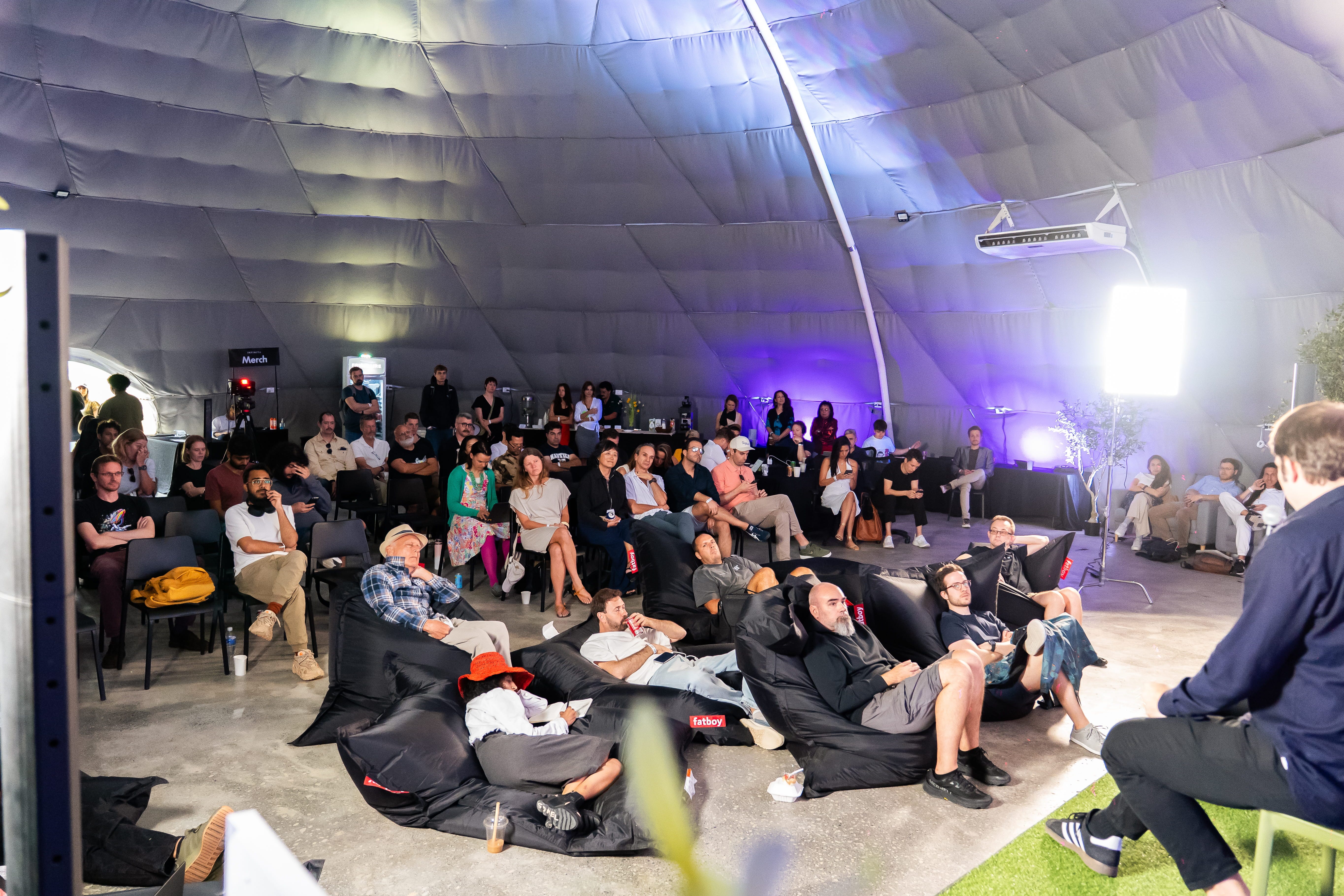
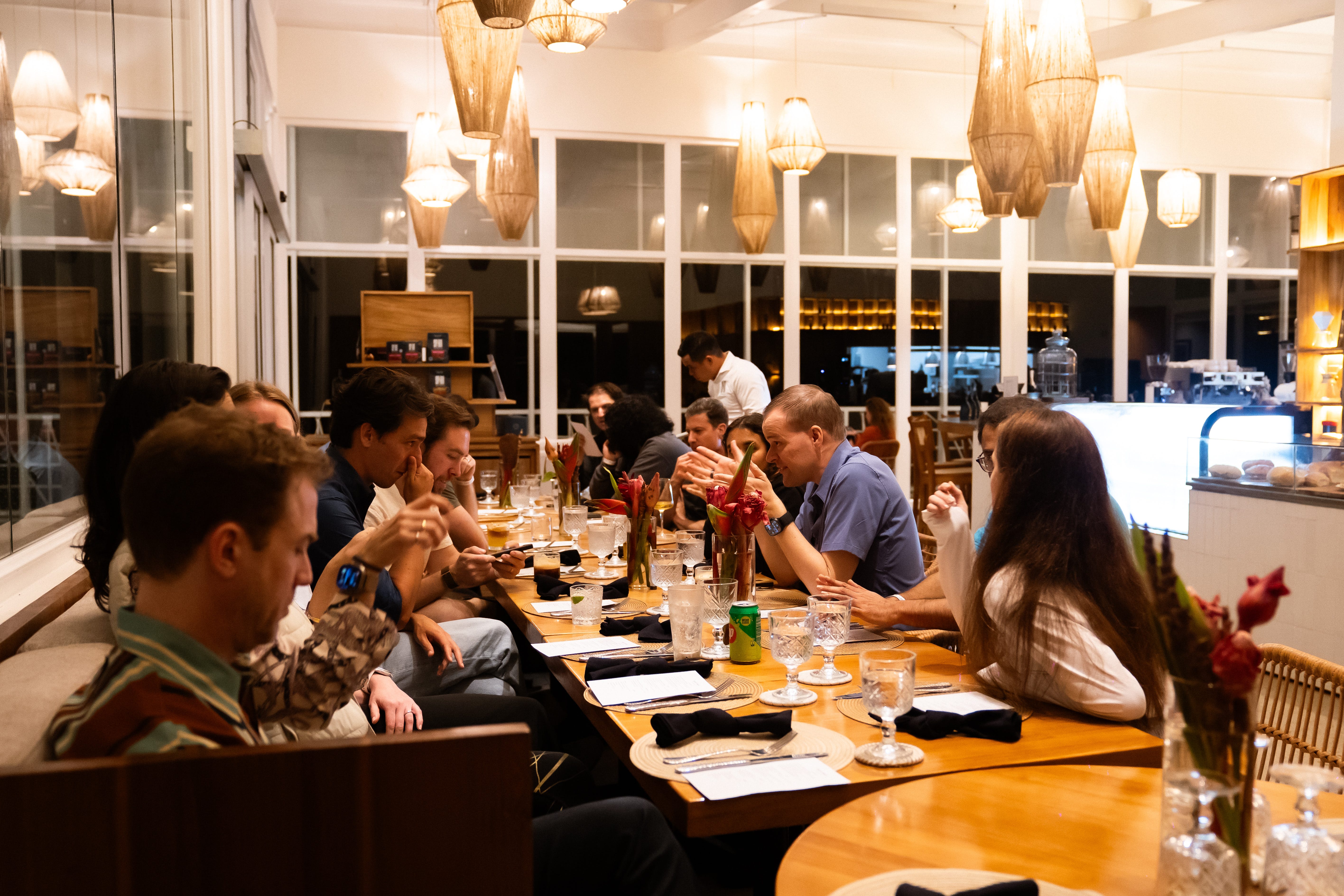
Alongside the main summit, the Founders Retreat brought together a smaller group of people actively building new jurisdictions, governance infrastructure, or on top of those new layers. The group included Pronomos Capital and Seasteading, with Patri Friedman (grandson of Milton Friedman), alongside a group of aligned VCs & private investors and other practitioners. The goal was simple: share what’s actually working, what isn’t, and what to do next; packed with candid conversations about regulation, financing, and execution.
No pitches or posturing, this is where you’ll hear the real war stories and practical help on what to do next, all off the record.
So, What’s Next?
This week gave a clear read on where things actually stand.
The ZEDE framework was tested under real political pressure and held. Builders are showing up. Companies are being formed. And the people in the room were not just talking about ideas, they are actively building within these systems.
That’s what matters.
At Infinita, we’re continuing to open this up to more people. If you’re curious, come see it for yourself, spend time on the ground, talk to the people building here, and experience how this actually works in practice.
And who knows, maybe the next successful business incorporated in a frontier jurisdiction is yours!
Until we announce the next big thing Infinita will host, here are two great chances to come visit and experience it yourself:
Free Cities Conference (September 2026) → freecitiesconference.com
Noma Collective (July 2026) → noma-collective.com/location/Noma-Family-Jul-05-2026
If you want to be part of what’s happening, join the Infinita community and stay in the loop for what’s coming next!
✧ This was part of Infinite Games 2026, a series of tournaments and events that took place in the Próspera jurisdiction (Roatán, Honduras) during Feb-Mar, 2026.
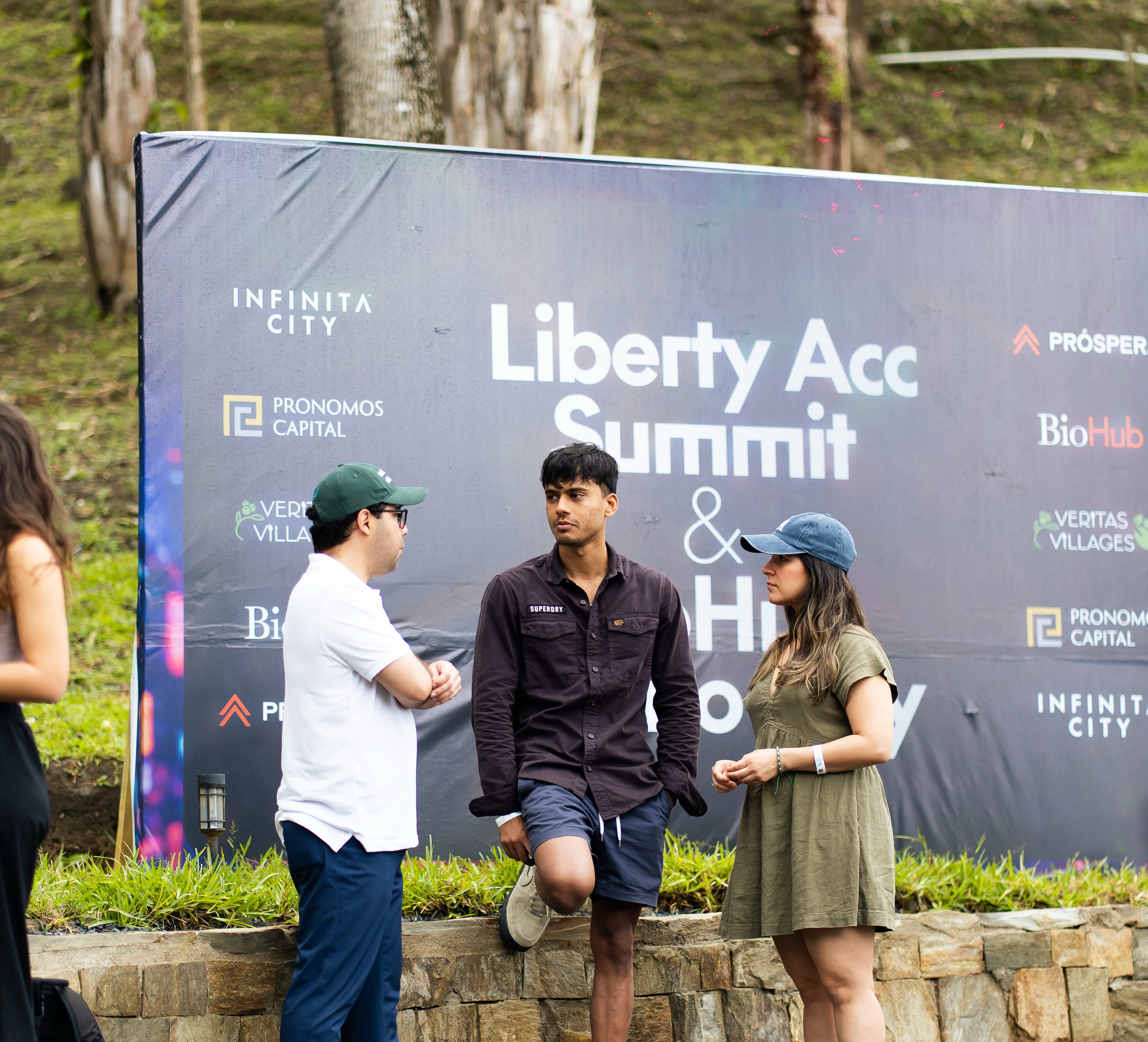
The summit was organized by Infinita City, Próspera, and Pronomos Capital, with the support of Petar Cekaravac.
Awesome work and best of luck. I have created a manifesto for a charter city in Bangladesh. Its scope is much smaller than Prospera but I would love your opinion on the matter.
Here's the link to the manifesto.
https://mdnadimahmed888222.substack.com/p/satyapur-the-delaware-of-bangladesh
This is a version 1 of the manifesto. I plan to release a follow-up document that can address the political economy more explicitly later this month.